


See Your Target Cleary,Longe Range View

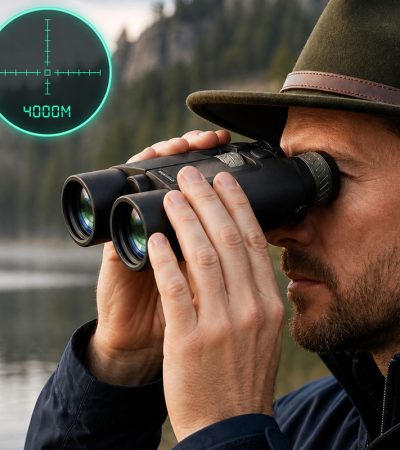
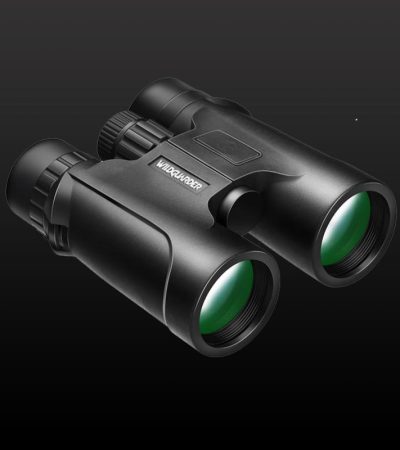
WILDGUARDER®-RB4000
$579.99 – 669.99
- 10×42 HD Optics with OLED Display
- 4000M Laser Rangefinding Accuracy
- ±1 Yard Precision with Angle Compensation
- IPX6 Waterproof, Multi-Coated BaK4 Prisms

WildGuarder RB4000 is a long-range precision binocular with a 4000M measuring range, 10×42 HD optics, ±1-yard accuracy, and a bright OLED display. With BaK4 prisms, multi-coated lenses, and IPX6 waterproofing, it delivers sharp and reliable performance for distant observation.
Whether you’re hunting, shooting, or exploring outdoors, the RB4000 gives you the clarity and precision you need for confident long-range viewing.
Photo Gallery View


Top Rated Rangefinder Binoculars

WILDGUARDER RB4000 OLED 10×42 Rangefinder Binoculars
Original price was: $889.99.$598.99Current price is: $598.99.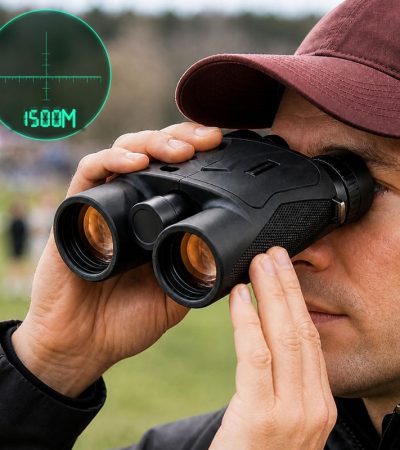
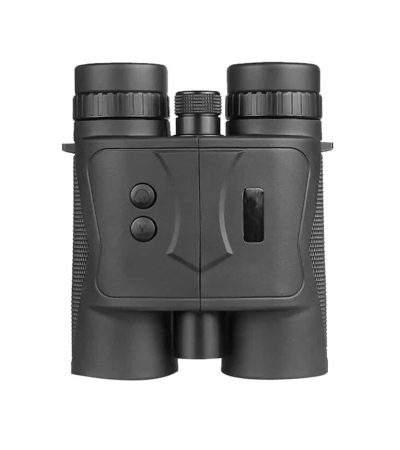
WILDGUARDER RW1 10×42 1500m Rangefinder Binoculars
Original price was: $598.99.$389.99Current price is: $389.99.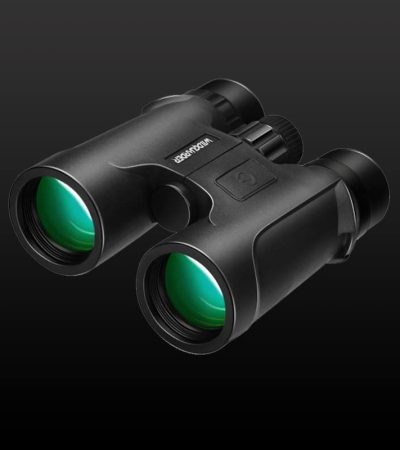
WILDGUARDER® RB1 – Rangefinder Binoculars 2000M Range finder binocular
Original price was: $998.99.$478.99Current price is: $478.99.Rangefinder Binoculars FAQS Detail
These binoculars are perfect for outdoor enthusiasts who need both clear vision and distance measurement—like hikers, wildlife observers, golfers, surveyors, and campers. They eliminate the need to carry two separate tools. If you spend time estimating distances in nature or open fields, these are for you.
Standard models rely on ambient light and may struggle in complete darkness. However, they usually perform well in low-light conditions like dusk or dawn. For true nighttime use, look for models with integrated low-light optics or pair them with night vision accessories.
Most devices list a maximum measuring range—commonly 800 to 2000 meters. Highly reflective objects like buildings may be readable farther than softer targets like trees. If you’re unsure, start with closer targets and increase distance to test the limits.
Not at all. Most models have a simple one-button or two-button system for measuring distance. You look through the lens, press the button, and the distance reading appears on the display. Some offer scan modes or target priority settings, but they’re generally beginner-friendly.
No manual calibration is typically needed. The system is pre-calibrated from the factory. Just ensure your lens is clean and batteries are fresh for best accuracy.
Most models have adjustable diopters to match your eyesight, and many are compatible with glasses. The readouts are usually clear and positioned in the center of your field of view. Choose models with high-contrast or adjustable brightness displays for better visibility.
Yes, many rangefinder binoculars have tripod mounts for extra stability. This is especially helpful when using higher magnifications or measuring long distances. Tripods reduce hand shake and improve accuracy.
Most are built with rugged housings, rubberized grips, and sealed optics to resist water, dust, and shock. They’re made for outdoor use, so they can handle bumps and rough conditions. Always store them in a protective case when not in use.
Distance readings are typically instant—within a second or two. The device uses a laser pulse to measure, and the result appears on your screen almost immediately. You won’t have to wait or guess.
Not necessarily. Most models work completely on their own. However, some advanced versions offer Bluetooth or app support for syncing data or storing readings. That’s a bonus, not a requirement.
Use a microfiber cloth for the lenses and keep the optics capped when not in use. Avoid harsh chemicals or wiping when dirt is gritty. Store in a dry place and check the battery every few months.
Yes, they’re safe to carry and allowed in luggage for most countries. Just pack them securely to prevent damage during transport. If flying, remove the battery or check airline rules for electronics.
WHY BUY FROM US?


Recommended by


