


Stay Ahead In The Dark With High-performance optics

WILDGUARDER®-T150
$499.99 $699.99
- AI-Enhanced 384×288 Thermal Resolution
- 8X Digital Zoom with F/1.0 Germanium Lens
- 5 Dynamic Color Palettes for Any Scene
- WiFi, APP Control, Photo & Video Recording

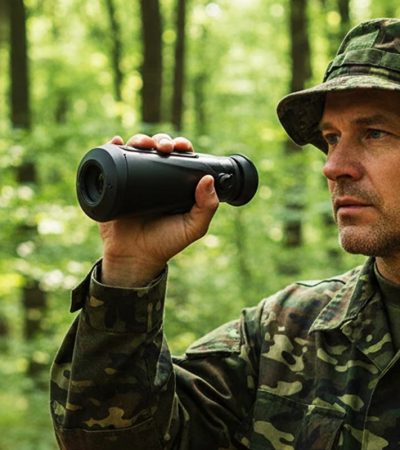
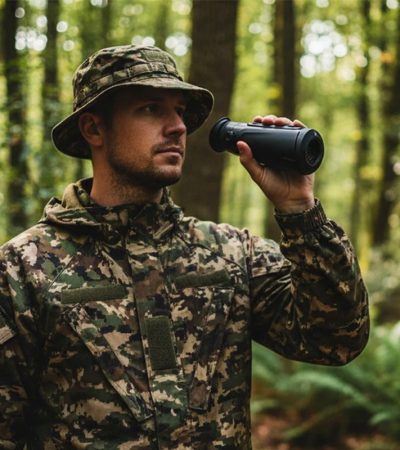
WILDGUARDER® T150 is a compact thermal monocular with AI-enhanced 384×288 imaging, an F/1.0 Germanium lens, 1–8X digital zoom, five color palettes, and built-in WiFi with photo/video recording—delivering clear, detailed thermal views day or night.
Whether you’re tracking wildlife, exploring outdoors, or scanning heat signatures in tough environments, the T150 provides sharp imaging, long battery life, and reliable performance to make every adventure easier and more precise.
Photo Gallery View


Top Rated Thermal Imagers
WILDGUARDER WG-T009 256×192 Thermal Imaging Monocular
Original price was: $998.99.$699.99Current price is: $699.99.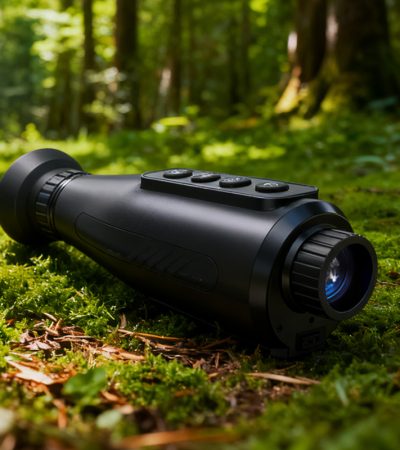
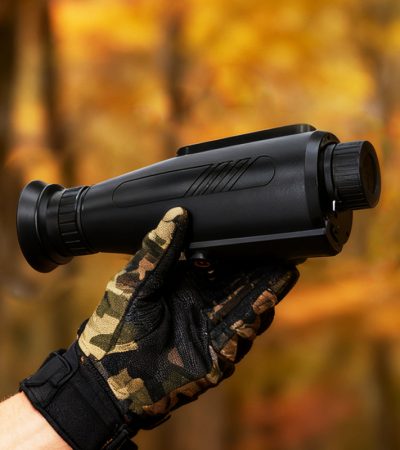
WILDGUARDER® T150 – Thermal Monocular 384×288 AI Super Resolution Thermal Imaging Monoculars
Original price was: $699.99.$539.99Current price is: $539.99.Thermal Imagers FAQS Detail
No, thermal monoculars can’t see through walls, metal, or thick glass. They detect surface heat, not through solid barriers. While they can sometimes pick up heat on a window’s surface, the image is usually distorted or blocked.
Most thermal monoculars take around 3–10 seconds to boot up. High-performance models may start even faster. It’s best to turn it on before you need it to avoid delays.
Not at all. Most thermal monoculars have a manual focus ring or digital focus adjustment. Once set, it stays sharp unless your viewing distance changes significantly.
Minimal maintenance is needed—just keep it clean, charged, and stored in a dry place. Periodically check for firmware updates if the device supports it.
They usually run on built-in rechargeable batteries or replaceable lithium batteries. USB-C charging is common in newer models. Always check runtime and power options before choosing.
Consider where and how often you’ll use it. Key factors include resolution, refresh rate, lens size, and detection range. If you’re new to thermal optics, start with a balanced model that offers easy controls and clear image quality.
Yes, most outdoor thermal monoculars are weather-resistant. Look for a waterproof rating like IP66 or higher. Just avoid full submersion unless the product is rated for it.
Digital zoom lets you see farther, but it can reduce clarity as it enlarges the image digitally, not optically. For clearer details at long distances, a better resolution sensor is more important than just zoom.
No, thermal monoculars are passive devices—they don’t emit light or sound. They’re ideal for quiet observation without disturbing wildlife.
Yes, but very high ambient temperatures can reduce contrast between objects. Look for a monocular with advanced sensors and image processing to handle hot climates better.
Yes, most models are designed for handheld, on-the-go use. Just be sure the image is stable and easy to read. Some devices even have image smoothing for more comfort while scanning.
Use a microfiber cloth or lens-safe cleaning kit. Avoid using water, alcohol, or household cleaners, as they can damage the infrared lens coating.
WHY BUY FROM US?


Recommended by


